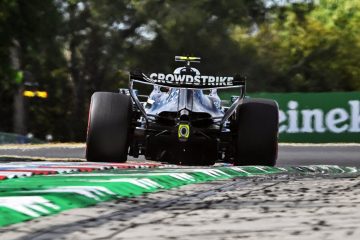
- The introduction of complex energy deployment systems is reshaping driver strategies in Formula 1.
- Drivers must adapt their styles to maximize energy efficiency, especially in faster corners.
- George Russell's struggles highlight the challenges of adapting to new machinery and technology.
- Formula 1 teams are investing in driver training to enhance adaptability and performance.
- The evolving landscape could redefine competitive dynamics in the championship as adaptation becomes crucial.
The world of Formula 1 is on the brink of a significant transformation as drivers and teams prepare for the challenges posed by the 2026 regulations. In a recent discussion, McLaren’s Lando Norris emphasized that adaptability is key in a sport that thrives on precision and speed. The crux of this adaptation lies in the intricate energy deployment systems that will characterize the upcoming generation of F1 cars. This shift is not merely technical; it represents a fundamental change in how drivers approach their craft. As the 2026 season approaches, understanding this evolution will be crucial for fans and analysts alike.
The new era of Formula 1 demands more than just raw speed; it requires drivers to develop a keen sense of energy management. With the introduction of advanced energy harvesting systems, drivers will have to recalibrate their driving styles to maximize efficiency while navigating demanding circuits. The focus on energy deployment shifts the mental and physical demands of the sport, pushing drivers to adapt their techniques significantly. This is not just about raw horsepower anymore; it’s about how intelligently a driver can leverage the car’s capabilities.
One of the most vocal figures regarding these changes has been George Russell, a driver who has openly acknowledged the difficulty in adjusting to his machinery’s intricacies this season. As one of the prominent talents on the grid, Russell’s experiences shed light on the broader implications for the championship. His struggles are representative of a larger challenge faced by many drivers: how to merge instinctual racing with the calculated energy strategies essential for achieving optimal performance.
As we reflect on the current landscape of Formula 1, it’s evident that the mental shift required is profound. The emphasis on energy harvesting means that drivers must now think about their racing lines, throttle application, and braking patterns differently. For instance, faster corners will require not just speed but also an acute awareness of energy levels, making it imperative that drivers anticipate their car’s behavior dynamically.
Tactical Breakdown: The New Strategic Landscape
The shift to complex energy management in Formula 1 is not just a technical challenge; it fundamentally alters the strategic landscape of the sport. Each circuit now presents unique puzzles based on how energy can be harvested and deployed. Drivers will need to develop new tactical approaches to each race, considering both their car’s performance and their competitors’ strategies.
In this new context, the key battles will likely shift from traditional wheel-to-wheel racing to a more cerebral competition based on energy deployment strategies. Teams will need to analyze data more rigorously to inform their race strategies, ensuring that drivers can maximize their pace without depleting energy reserves at critical moments. This will create an environment where the most astute strategists will have the edge, turning each race into a high-stakes game of chess rather than a mere sprint to the finish line.
Moreover, with the increasing complexity of car setups, the role of engineers and strategists will become even more critical. They will need to work hand-in-hand with drivers to ensure that every aspect of the car is tuned for optimal energy efficiency. This collaboration will likely lead to innovative practices in team dynamics, as engineers and drivers share a common goal of mastering the complex requirements of the 2026 regulations.
The Road Ahead for Formula 1 Drivers
Looking ahead, the challenges presented by the 2026 regulations will necessitate a shift in how teams approach driver training and development. As adaptability becomes a cornerstone of competitive success, we can expect to see more resources allocated to developing drivers’ skills in energy management and strategic thinking.
Moreover, as younger drivers enter the sport, their ability to adapt to these new demands will be tested. The coming seasons will reveal whether current stars can transition effectively alongside fresh talent who may possess a more intuitive grasp of the evolving requirements. This dynamic could lead to a reshaping of the pecking order in the championship, as experienced drivers face off against a new wave of competitors who have grown up in an environment where energy management is paramount.
As fans, we should prepare for an exhilarating period in Formula 1 history. The intersection of technology and skill will create not just a different racing spectacle but a completely new narrative in the championship. As drivers and teams embrace this transformation, we can expect to witness an unprecedented evolution in the sport we love.
In our view, the landscape of Formula 1 is undergoing a seismic shift that will test the mettle of both seasoned drivers and emerging talent. The key takeaway from Norris’s comments is that adaptability will not just be an asset; it will be a necessity in the 2026 season and beyond. As teams invest heavily in developing their technologies, the question becomes whether established stars can adapt quickly enough to fend off the new generation of drivers who may find these changes more intuitive.<br />
Furthermore, we believe the psychological aspect of racing will play a larger role than ever. Drivers will need to cultivate a mindset that embraces technological change, which could lead to exciting rivalries as competitors grapple with these new dynamics. The narrative of the championship will be as much about mental fortitude as it is about speed and skill on track.
Sports News Plus is a news aggregator. We do not own or claim rights to any images, videos, or source content featured on this site. All images and media are the property of their respective original owners and publishers. Article content is independently written based on publicly available news sources, which are credited and linked throughout. Full disclosure →