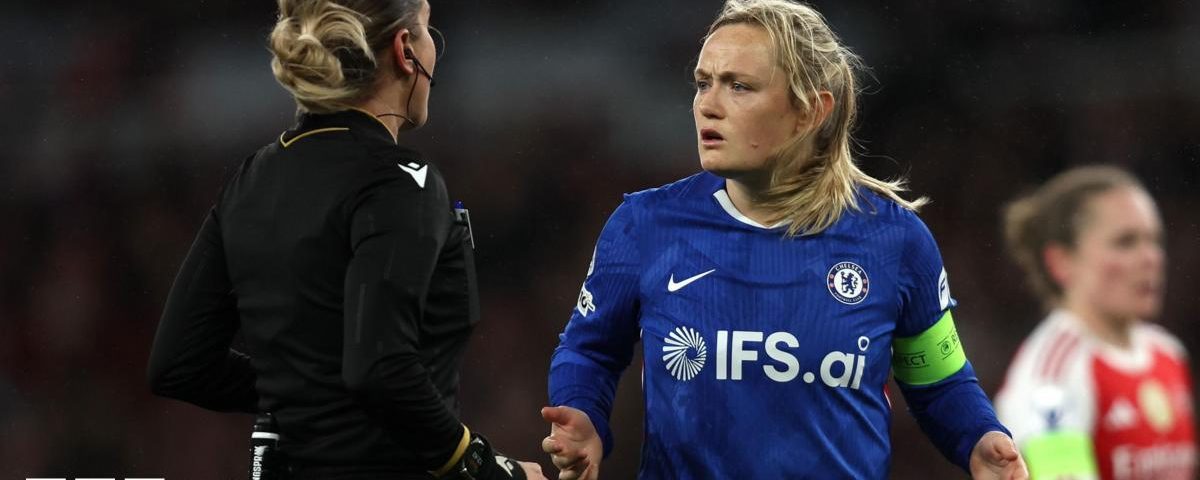
- Sonia Bompastor emphasizes the need for respect in women's football officiating.
- The controversial disallowed goal highlights ongoing challenges in the women’s game.
- Historical disparities in officiating standards impact player morale and game integrity.
- Chelsea and Arsenal’s rivalry underscores the competitive nature of the Women’s Champions League.
- Addressing officiating issues could enhance the women's game and attract more fans.
Women’s game In a gripping encounter on March 24, 2026, Chelsea manager Sonia Bompastor expressed her frustration regarding the officiating in women’s football after a controversial decision in their Women’s Champions League quarter-final first leg against Arsenal. The match, held at Stamford Bridge, saw Chelsea face off against their long-standing rivals, but a disallowed goal left many questioning the fairness of officiating in the women’s game. Bompastor’s remarks resonate not just for her team but for the broader landscape of women’s football, which continues to fight for respect and recognition.
The disallowed goal, a pivotal moment in the match result, has reignited debates about the need for improved standards in officiating. Bompastor’s call for “more respect” reflects a sentiment shared by many within the sport, who argue that the women’s game deserves the same scrutiny and quality assurance as its male counterpart. As more eyes turn to women’s football, particularly in high-stakes tournaments like the Champions League, the need for equitable treatment becomes even more pressing.
Historically, women’s football has faced numerous challenges, one of which is the inconsistency in officiating. According to recent statistics, the Women’s Super League (WSL) has been striving to improve its officiating standards, yet discrepancies remain. For instance, a study indicated that women’s matches experience a higher rate of controversial calls compared to men’s matches. In the 2022 WSL season, approximately 4% of goals were ruled out due to questionable officiating decisions, compared to 2% in the Premier League. This disparity not only influences match results but also affects players’ confidence and overall game integrity.
Officiating Standards: A Crossroads for Women’s Football
The question of respect in officiating is not merely about individual decisions but reflects a broader systemic issue within women’s football. The investment in the women’s game has increased significantly, with the Premier League and international bodies pouring resources into development and promotion. However, if officiating standards do not keep pace, the growth of the sport could be hampered.
Women’s football has seen an influx of talent and more competitive play, with clubs like Chelsea and Arsenal demonstrating the high skill level present in the league. The increase in viewership and media coverage signifies a shift in public perception. Yet, when a critical match result can swing on a controversial officiating decision, it raises questions about the fairness and professionalism that players and fans expect.
Furthermore, the recent surge in women’s football attendance—up by 25% in the last two seasons—shows a growing appetite for the sport. Fans want a level playing field, and that includes reliable officiating. As we look towards the future, making officiating transparent and consistent will be crucial in maintaining and increasing fan engagement.
By the Numbers: The Impact of Officiating on the Women’s Game
To fully grasp the significance of Bompastor’s comments, we must look at the numbers that highlight the state of women’s football. The average goals per match in the Women’s Champions League has steadily risen to 3.1 in recent seasons, indicating an increase in attacking play. However, the percentage of goals disallowed due to officiating errors remains a concern, with 5% of goals being ruled out in the last WSL season.
In comparison, the Premier League, which enjoys a longer history of financial investment and development, has maintained a disallowed goal rate closer to 2%. The contrast in these statistics underscores the need for better officiating training and resources dedicated to women’s leagues. More than just a numbers game, these discrepancies highlight a disparity in respect and recognition between the men’s and women’s games.
The path forward is clear: enhancing the standards of officiating in women’s football will not only affect match outcomes but will also enhance the overall credibility of the sport. As teams like Chelsea and Arsenal continue to elevate the competition, it is imperative that the officiating body also rises to meet the expectations of players and fans alike.
In our view, the incident surrounding Chelsea's disallowed goal serves as a microcosm of the larger issues facing women's football. As the sport continues to gain traction, the need for a consistent and respected officiating framework cannot be overstated. While Bompastor's remarks draw attention to the immediate frustrations of players and coaches, they also present an opportunity for systemic change.<br />
If governing bodies take this moment to invest in training for referees specifically for women's matches, we could see a marked improvement in both the quality of officiating and the overall perception of the game. As women's football continues to grow in popularity, addressing these officiating discrepancies may very well be the key to its sustained success and respect on the global stage.
Source: Women's game needs more respect with officiating – Bompastor
Sports News Plus is a news aggregator. We do not own or claim rights to any images, videos, or source content featured on this site. All images and media are the property of their respective original owners and publishers. Article content is independently written based on publicly available news sources, which are credited and linked throughout. Full disclosure →