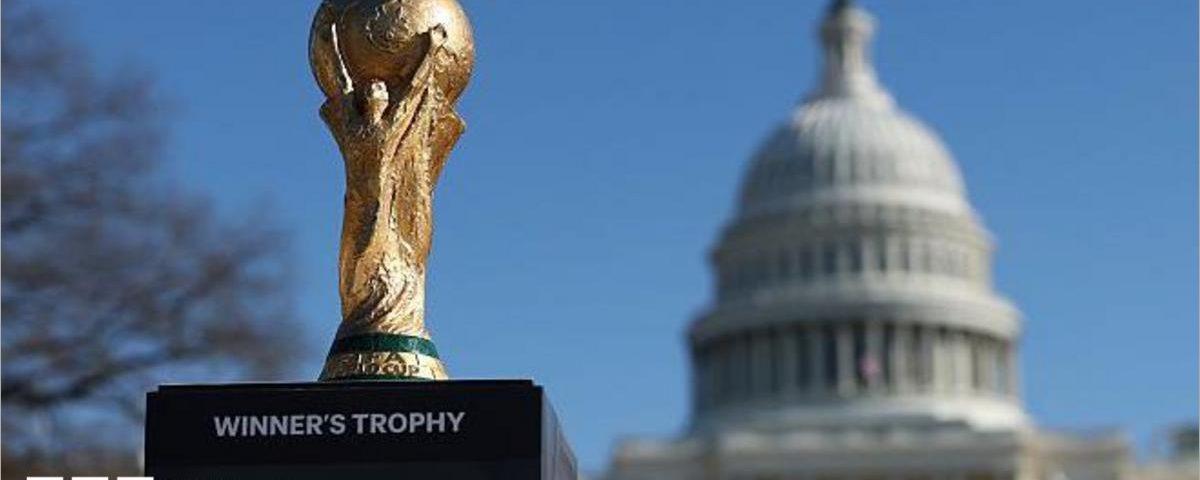
- The US is poised to co-host the 2026 World Cup alongside Canada and Mexico.
- Concerns about infrastructure and ticketing logistics remain prevalent.
- The event will showcase the growing popularity of football in the US.
- Premier League's influence on American soccer culture continues to expand.
- Successful execution could solidify the US as a premier host for future global events.
World Cup readiness In June 2026, the United States will co-host the FIFA World Cup, marking a significant milestone in the nation’s sports history. Alongside Canada and Mexico, the US will welcome fans from around the globe to experience a month-long celebration of football that is expected to elevate the sport’s profile in North America. As excitement builds, a host of logistical challenges and infrastructure preparedness issues have emerged, prompting discussions about whether the US is truly ready for this monumental event.
World Cup readiness: What You Need to Know
With the World Cup being the most-watched sporting event globally, the stakes are high. Concerns about gridlock and ticket accessibility have been raised, particularly in cities that will host matches. Football fans are already aware of the ticket frenzy that accompanies such events, leading to a rush that can leave many disappointed. The challenge will be to ensure that every match result is celebrated nationwide, and that logistical hiccups do not overshadow the actual sporting events.
The rising popularity of football in the US cannot be overlooked. The Premier League’s growing fanbase significantly contributes to this shift, with American audiences increasingly tuning in to watch matches. This trend not only enhances local interest in the World Cup but also emphasizes the need for the US to prepare adequately. With an influx of international fans expected to descend upon American cities, infrastructure, hospitality, and transportation systems will need to be on point to accommodate the anticipated crowds.
H2: Infrastructure Challenges and Opportunities
As the US gears up for the World Cup, the focus on infrastructure becomes paramount. Major cities like New York, Los Angeles, and Atlanta are expected to be key venues, and each will need to manage the influx of visitors effectively. The transportation networks in these cities will be put to the test, and any failure to provide efficient travel options could lead to chaos on match days.
Cities must not only improve public transport but also ensure that facilities such as hotels and restaurants are prepared to handle the surge in demand. While some cities are already investing in upgrades, the readiness of these infrastructures will ultimately determine the success of the World Cup experience for fans. The potential economic impact is immense, with local businesses standing to gain significantly if the event is executed smoothly.
Analysis & Key Takeaways
Hosting the World Cup also provides an opportunity for cities to enhance their global reputation. A successful tournament could showcase the US as a premier destination for major international sporting events, paving the way for future opportunities. On the flip side, any missteps could lead to lasting impressions that deter future events. The pressure to deliver an exceptional experience has never been higher.
H2: The Role of Major League Soccer
The burgeoning Major League Soccer (MLS) is playing a crucial role as the US prepares for the World Cup. As American football continues to grow in popularity, the league has become a vital platform for talent development and fan engagement. The MLS attracts international stars, drawing attention to the sport while also nurturing local talent who can represent the national team on this grand stage.
Moreover, the MLS serves as a bridge between traditional American sports and football, appealing to a demographic that may not have previously engaged with the sport. As the tournament approaches, the league will likely ramp up its efforts to capitalize on the World Cup excitement, potentially leading to increased attendance at matches and heightened interest in football-related events.
The World Cup’s influence on the MLS cannot be underestimated. A successful tournament could lead to an upsurge in domestic support for football, driving higher attendance and viewership of MLS matches. Enthusiasm generated by the World Cup may also encourage more grassroots participation, paving the way for future generations to embrace football as a primary sport in the US.
The anticipated outcomes of the World Cup extend beyond immediate matches and goals; they encompass a broader vision for US soccer. The event provides an opportunity to reshape perceptions, enhance infrastructure, and solidify the sport’s place within American culture.
As we approach the World Cup, it's clear that the event's success will hinge on the US's ability to navigate the complex logistics involved. While ticket sales and infrastructure are critical components, the broader question remains: will the US capitalize on this opportunity to foster a long-term love for football? The excitement around the World Cup must translate into sustainable growth for the sport, and that will require more than just successful match results.<br />
In our view, the US must leverage the World Cup as a catalyst for change, focusing on youth engagement and grassroots initiatives. The legacy of this tournament should not solely be defined by the matches but by the lasting impact it has on American soccer culture. If the US can effectively engage its communities and cultivate a deeper appreciation for football, we will see a transformation that goes well beyond the summer of 2026.
Source: 'Gridlock alert days' and a race for tickets as US prepares to host World Cup
Sports News Plus is a news aggregator. We do not own or claim rights to any images, videos, or source content featured on this site. All images and media are the property of their respective original owners and publishers. Article content is independently written based on publicly available news sources, which are credited and linked throughout. Full disclosure →