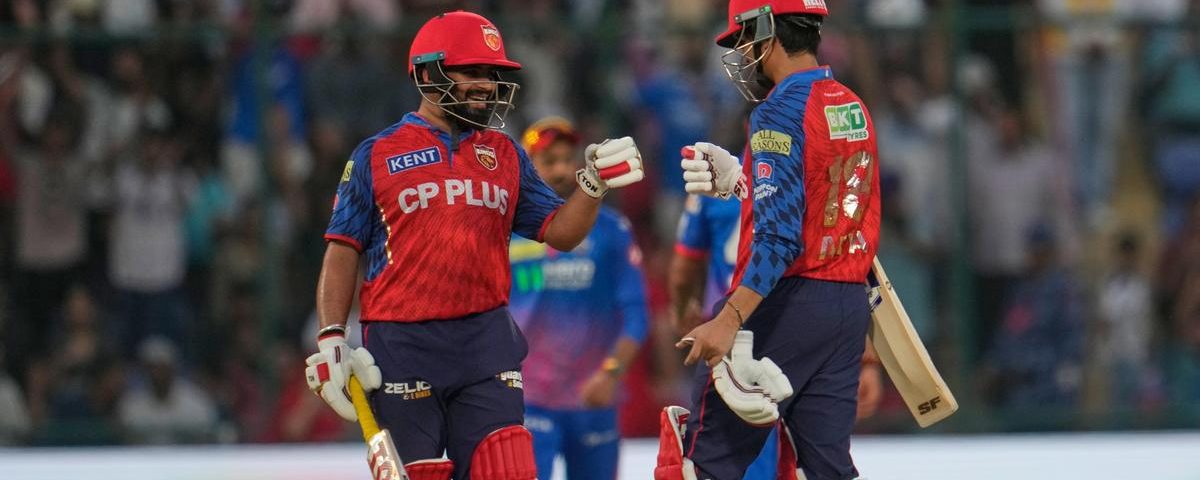
- KL Rahul's 152 runs went in vain as Punjab Kings chased down 264 runs.
- This match set the record for the highest successful chase in IPL history.
- The performance reflects a shift in T20 batting strategies and team dynamics.
- Historical parallels show that high-scoring matches often lead to thrilling finishes.
- The IPL continues to redefine batting standards and chase expectations in cricket.
IPL 2026 In an electrifying encounter on April 25, 2026, the Punjab Kings (PBKS) accomplished the unthinkable by chasing down a monumental target of 264 runs set by the Delhi Capitals (DC) in the Indian Premier League (IPL). KL Rahul’s astonishing innings of 152 not out off 67 balls stood out; however, it ultimately proved insufficient as his team fell to PBKS. This match is now etched in the annals of IPL history, marking the highest successful chase ever in the tournament’s 15-year run.
IPL 2026: What You Need to Know
The chase was led by Prabhsimran Singh and Shreyas Iyer, who played pivotal roles in ensuring their team crossed the finish line. Their contributions not only reflect individual brilliance but also highlight the strategic evolution of T20 cricket, where high scores have become increasingly common, and teams are pushed to recalibrate their batting and bowling tactics accordingly.
This monumental chase begs the question: has history seen similar scenarios, and what lessons can we draw from the past? High-scoring matches in cricket, especially in the T20 format, have occasionally led to dramatic reversals and exhilarating finishes. For instance, during the 2016 T20 World Cup, India faced Australia in a match that saw India chasing down a formidable 160 runs with a sheer display of batting prowess.
Moreover, the IPL has had its share of record-chasing moments. In 2018, the Kolkata Knight Riders chased 245 against Kings XI Punjab, showcasing that even when the target seems insurmountable, modern-day batting can shatter expectations. History tells us that such high-stakes matches often boil down to the mental fortitude of players and their ability to perform under pressure.
Looking deeper into the archives, we find that the successful chases often lead to shifts in team confidence and strategic planning for future matches. As teams learn from these high-scoring encounters, they adapt their approaches in subsequent tournaments, thus reshaping the landscape of T20 cricket. The BCCI, overseeing the IPL, must take note of this trend as it influences player recruitment, training methods, and match strategies.
Analysis & Key Takeaways
The IPL has significantly altered the batting landscape in cricket. The aggressive nature of T20 cricket has transformed how players approach their innings. Batters are now encouraged to score rapidly, often at the expense of traditional techniques. This shift towards an aggressive style has seen many teams opting for power hitters who can change the game’s dynamics within a few overs.
The chase by PBKS not only reflects their adaptability but also their strategic ingenuity. With wickets in hand, the ability to accelerate scoring has become a critical component of modern T20 cricket. Teams must now be prepared for the unexpected, preparing for match situations that require them to chase down totals that were once considered unbeatable.
Additionally, the emphasis on fitness and specialized coaching in recent years has equipped players with the necessary tools to execute high-pressure chases successfully. BCCI’s focus on nurturing young talent and providing them with the right coaching has reaped dividends, as seen in the case of the emerging stars from Punjab Kings who played crucial roles in this historic chase.
The implications of this match extend beyond mere statistics. As IPL 2026 unfolds, the lessons learned from this encounter will likely influence how teams approach batting and bowling strategies in future fixtures. The BCCI may find itself needing to recalibrate the rules regarding pitches or even the nature of the game itself, as teams adapt to the increasingly high-scoring landscape of T20 cricket.
As fans, we can expect more thrilling encounters as teams embrace the challenge of setting and chasing high totals. The evolution of batting in T20 cricket is an exciting narrative that will continue to unfold, with each match contributing to this ever-changing story.
In our view, the sheer audacity of chasing down 264 runs marks a turning point in IPL history. This match is not just a testament to the talent of PBKS but also signals a change in how teams perceive batting targets in the T20 format. We believe the boundaries of what is deemed achievable in T20 cricket are being redrawn.<br />
As more teams adopt aggressive batting strategies and prioritize power hitters, we may see more high-scoring matches in the future. This trend could also influence player recruitment as franchises seek out explosive talents. The IPL is poised for a new era where the emphasis on traditional batting techniques may diminish in favor of a more aggressive approach, revolutionizing the sport as we know it.
Sports News Plus is a news aggregator. We do not own or claim rights to any images, videos, or source content featured on this site. All images and media are the property of their respective original owners and publishers. Article content is independently written based on publicly available news sources, which are credited and linked throughout. Full disclosure →