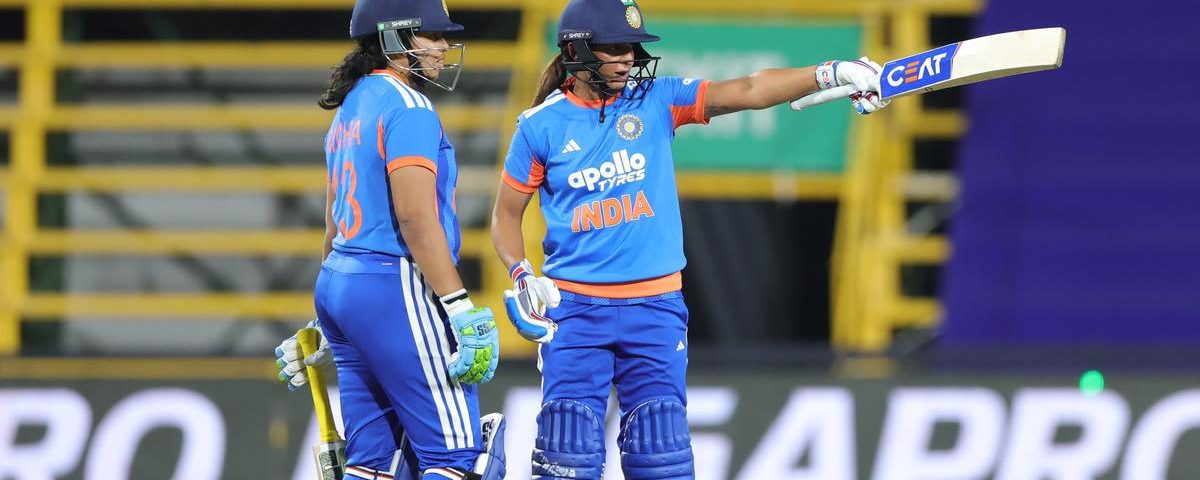
- India suffered a 0-3 series defeat to South Africa in T20Is.
- This marks their first series loss since the T20 World Cup group stage exit in October 2024.
- Harmanpreet Kaur emphasized the timing of these mistakes ahead of the World Cup.
- The BCCI must address batting and wicket-taking issues before the upcoming tournaments.
- If India fails to rectify their shortcomings, their World Cup aspirations could be in jeopardy.
In a startling turn of events, the Indian women’s cricket team succumbed to their first series defeat in T20 Internationals since their early exit at the T20 World Cup in October 2024. The Women in Blue lost all three matches of the ongoing five-match series against South Africa, with two matches yet to play. The series, which began on April 23, 2026, highlights significant issues that the team must address before the T20 World Cup.
T20 World Cup: What You Need to Know
This defeat is particularly concerning given that the Indian squad had previously shown promise. The T20 format demands not only strong batting but also the ability to take crucial wickets at pivotal moments. India’s performance in this series reveals a disconnection in both areas, posing a serious threat to their World Cup ambitions.
Harmanpreet Kaur, the team captain, publicly acknowledged the timing of these setbacks, suggesting that this is a crucial period for the team to reflect and improve. It is not merely the losses that are worrying; it’s the manner in which they occurred. The batting lineup, once a formidable force, has faltered against South Africa’s bowling attack, failing to construct meaningful partnerships and capitalize on power-play opportunities.
Historically, India has prided itself on having a robust batting lineup. However, this series has laid bare a concerning lack of depth. The team’s reliance on star players has become painfully evident, as the middle order has struggled to deliver under pressure. In T20 cricket, where every run counts, the inability to build a solid score has been detrimental.
Furthermore, the top-order batsmen have not found their rhythm, often falling victim to South Africa’s incisive bowling. This has led to a vicious cycle where the team is unable to set competitive targets or chase down totals effectively. The BCCI must take heed of these issues as the T20 World Cup approaches; they cannot afford to enter the tournament with a batting order that does not inspire confidence.
On the bowling front, India’s performance has been equally alarming. The team has struggled to take wickets at critical junctures, allowing South African batsmen to settle in and dominate. In T20 matches, the ability to break partnerships is crucial, and India’s bowlers have been unable to deliver in high-pressure situations.
Analysis & Key Takeaways
The BCCI’s selection committee must consider these performance metrics seriously. As the Women in Blue prepare for the World Cup, they need to reassess their bowling strategy. A focused approach to wicket-taking, particularly in the death overs, could be the key to turning their fortunes around.
The upcoming matches against South Africa will serve as a litmus test for the Indian squad. It is imperative that they utilize this opportunity to iron out the kinks in both batting and bowling. The coaching staff, along with the players, needs to engage in focused practice sessions that prioritize these areas.
Moreover, the BCCI’s role is not limited to merely fielding a team. They must provide the necessary support systems, including mental conditioning and strategic insights, to ensure that the players are prepared for the challenges of the World Cup.
The T20 World Cup is set to be a fiercely competitive arena, and if India continues to show the weaknesses that have surfaced in this series, they could find themselves on the back foot against formidable opponents.
As we reflect on India’s struggles, it’s clear that the team is at a crossroads. The next two matches against South Africa are pivotal; they offer a chance for redemption and a platform to address glaring issues. Will the Women in Blue rise to the occasion, or will they allow their recent setbacks to define their World Cup campaign?
The stakes are high, not just for the players but also for the BCCI, which has invested heavily in the women’s game. A successful World Cup run could solidify the sport’s growth, while a continuation of these poor performances might hinder progress and affect fan engagement. As the clock ticks down to the World Cup, all eyes will be on India to see if they can turn their fortunes around and reclaim their place among the elite in women’s cricket.
In our view, the recent series defeat could be a blessing in disguise for the Indian women's team. While the immediate aftermath may feel disheartening, it provides the coaching staff with a unique opportunity to pinpoint weaknesses that might not have been as visible during their previous successes. The loss against South Africa has revealed cracks in their strategy, especially concerning batting depth and wicket-taking ability.<br />
Looking ahead, the Women in Blue must embrace this challenging phase as a period of growth. The upcoming matches can serve as a testing ground for potential changes in the batting order or bowling strategy, allowing players to adapt and refine their skills. If they manage to harness the lessons learned from this series, India could emerge stronger and more resilient as they head into the T20 World Cup, ready to surprise their opponents.
Source: VIDEO | India’s mistakes exposed at right time before T20 World Cup: Harmanpreet Kaur
Sports News Plus is a news aggregator. We do not own or claim rights to any images, videos, or source content featured on this site. All images and media are the property of their respective original owners and publishers. Article content is independently written based on publicly available news sources, which are credited and linked throughout. Full disclosure →