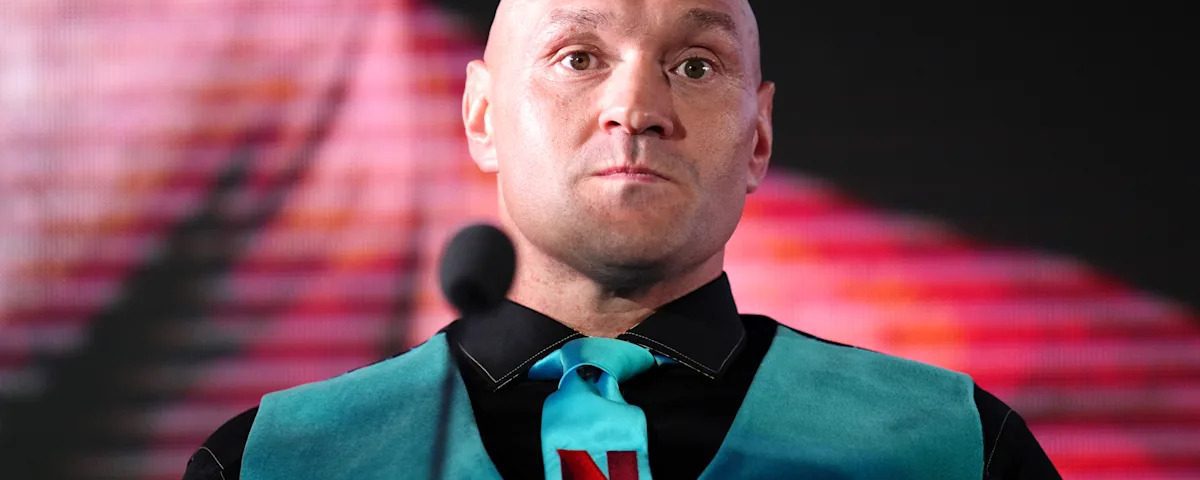
- The recent Netflix card at Tottenham Hotspur Stadium has failed to engage fans.
- Tyson Fury's exit marks a pivotal moment in the heavyweight division.
- Conor Benn's controversial past is hindering his appeal in the sport.
- The British boxing landscape is shifting towards new stars and narratives.
- Future matchups will need to reignite interest to sustain the sport's popularity.
British boxing On a Saturday night in April 2026, the spotlight was set on the Tottenham Hotspur Stadium, where a Netflix boxing card aimed to deliver an electrifying showcase. Yet, it failed to capture the imagination of the British boxing public, reflecting a broader trend in a sport that is seemingly moving on from its heavyweights, particularly Tyson Fury, and wrestling with the tarnished reputation of Conor Benn. As boxing enthusiasts ponder the future of the sport, it’s evident that the landscape is shifting, and the stakes have never been higher for both rising talents and established names.
British boxing: What You Need to Know
The departure of Tyson Fury from the heavyweight scene is a seismic event. Known for his charisma and in-ring prowess, Fury was not just a champion but a cultural icon in British boxing. His recent absence leaves a void that has yet to be filled, raising questions about who will emerge as the new face of the division. With Fury’s withdrawal, casual fans may find themselves disconnected from a sport that thrives on larger-than-life personalities and knockout performances.
Meanwhile, Conor Benn finds himself at a crossroads. Once seen as a potential star, his reputation has been marred by off-ring controversies, including failed drug tests and allegations of misconduct. These issues have created significant hurdles for Benn as he attempts to regain the trust of the boxing community. Although he remains a skilled fighter with impressive technical abilities, his past actions have overshadowed his potential to captivate audiences. This disconnect is evident in the lukewarm reception to the Netflix card, as many fans hesitate to invest their time and money into a product they perceive as lacking integrity.
To understand the tactical dimensions of British boxing’s current state, we must delve deeper into the strategic elements at play. The heavyweight division, traditionally a cornerstone of the sport, is characterized by its blend of power, agility, and tactical acumen. Fighters like Fury brought an unorthodox style that combined slick footwork with explosive punching power. His ability to evade punches while delivering devastating combinations set a new standard for the division. Without him, the tactical landscape is shifting, and it remains to be seen who will step up to fill that void.
Analysis & Key Takeaways
Benn, in his quest to reclaim his position in the limelight, must not only refine his technical skills but also navigate the psychological aspects of the sport. The pressure to perform while under public scrutiny can be immense. This is especially true in a post-Fury era, where fans have grown accustomed to a certain level of performance and showmanship. For Benn, engaging fans is as much about his fight results as it is about his character and resilience in overcoming adversity.
As the heavyweight scene evolves, it is essential to identify key battles that could reignite interest in British boxing. Emerging talents, such as Joe Joyce and Daniel Dubois, are gaining momentum and could present compelling matchups for Benn or other established fighters. These contests serve not only to deliver thrilling fight results but also to create new narratives that can capture the attention of boxing enthusiasts.
The future of British boxing hinges on its ability to adapt and innovate. Promoters and fighters alike must recognize that building a fan base goes beyond simply showcasing skill in the ring. Engaging storytelling, authenticity, and resilience play pivotal roles in shaping perceptions and generating interest. As new stars rise, they must do so in a way that resonates with both loyal fans and a generation of younger viewers who seek authenticity in their sports heroes.
In summary, as British boxing grapples with the departure of a titan like Tyson Fury and the controversies surrounding Conor Benn, it stands at a crossroads. The need for new narratives, compelling matchups, and a renewed sense of integrity has never been more critical. The sport’s future depends on the ability of both fighters and promoters to embrace change, craft stories that resonate, and elevate the fight game as a whole.
From our perspective, it's clear that British boxing is in a transitional phase, one that could either lead to a renaissance or a decline in popularity. The looming question remains: who will step into the void left by Tyson Fury? While there are emerging prospects, the charisma and skill that Fury brought to the ring are rare. We believe that the sport must not only find new stars but also redefine what it means to be a champion in this era.<br />
Moreover, the narrative surrounding Conor Benn is indicative of a larger issue in boxing that extends beyond the ring. Trust and transparency are paramount, and without them, the sport risks alienating its core audience. As we move forward, the focus will need to shift toward creating a more trustworthy environment while simultaneously giving new fighters the opportunity to shine. Only then can British boxing hope to reclaim its status as a premier sport that captivates the hearts of fans.
Source: British boxing has moved on from Tyson Fury — and won’t be sold on Conor Benn
Sports News Plus is a news aggregator. We do not own or claim rights to any images, videos, or source content featured on this site. All images and media are the property of their respective original owners and publishers. Article content is independently written based on publicly available news sources, which are credited and linked throughout. Full disclosure →