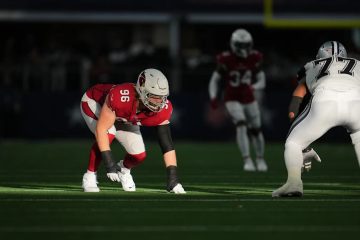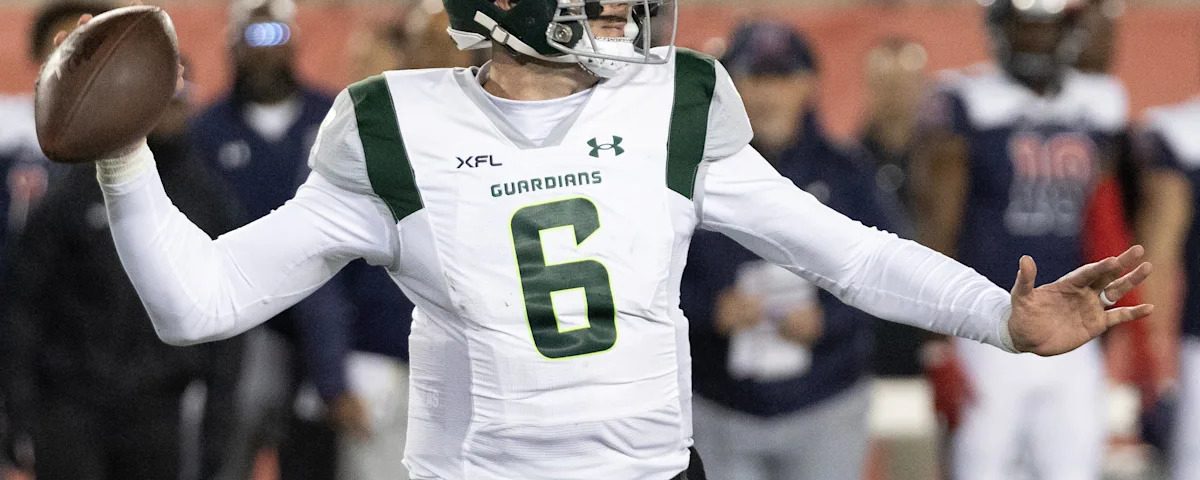
- Paxton Lynch's injury has prematurely ended his quest for an NFL comeback.
- The former Broncos quarterback was attempting to revitalize his career through arena football.
- Injuries frequently derail athletes' attempts to return to competitive play.
- Historical parallels exist in American football, shedding light on Lynch's situation.
- The future for quarterbacks trying to return from setbacks remains uncertain but challenging.
NFL comeback In an unexpected turn of events, former Denver Broncos quarterback Paxton Lynch’s quest to return to the NFL has been abruptly halted due to a knee injury sustained while playing arena football. This injury, reported on April 13, 2026, leaves Lynch’s future in professional sports uncertain. After a tumultuous NFL career marked by underwhelming performances and inconsistent opportunities, Lynch had hoped to reignite his career in the high-paced world of arena football, only to face yet another setback.
Lynch’s path to redemption through the Arena Football League (AFL) was initially met with cautious optimism. While not as widely recognized as the NFL, the AFL provides a unique platform for players looking to showcase their skills in a less conventional setting. The fast-paced nature of arena football allowed quarterbacks to execute quick plays and gain exposure to a different style of the game. Unfortunately, the injury has cast a shadow over Lynch’s ambitions, raising questions about the future of his career and the broader implications for quarterbacks in similar situations.
Historical Context: Lessons from the Past
The unfortunate reality of Lynch’s injury is not unique in the annals of American football history. Many quarterbacks have faced similar obstacles in their careers, with injuries often acting as pivotal moments that reshape their trajectories. For instance, former New York Jets quarterback Mark Sanchez experienced a career downturn due to injuries following his initial success, which included a trip to the AFC Championship game. Sanchez’s inability to regain his footing in the NFL serves as a stark reminder of how quickly fortunes can change in professional sports.
Additionally, players like Vince Young, who once stood on the precipice of NFL stardom after being named Offensive Rookie of the Year, also faced significant challenges following injuries. Young’s struggles to return to form ultimately led him to the Canadian Football League (CFL) before he faded from the spotlight. Lynch’s situation mirrors these stories, revealing a historical pattern where quarterback injuries can derail not just individual careers but entire seasons for teams that rely on them.
The link between injury and career rejuvenation is fraught with uncertainty. History has shown that while some players manage to overcome such hurdles, others find it devastatingly difficult to reclaim their former glory. Lynch’s attempts to capitalize on the arena football stage for a comeback resonate with past players who have similarly sought redemption in less conventional leagues.
The Road Ahead: What Lies in the Future for Lynch and Others?
As Lynch contemplates his next steps, the road ahead appears challenging. The competitive landscape of professional football leaves little room for error, especially for quarterbacks who must constantly prove their worth. While some athletes manage to pivot and find new paths—whether through coaching, commentating, or other roles—others may struggle to re-enter the sport after an injury.
The impact of Lynch’s injury extends beyond his personal ambitions; it serves as a cautionary tale for aspiring quarterbacks looking to make their mark in professional football. The NFL, with its rigorous standards and high expectations, requires players to not only perform but to do so consistently without the shadow of injury looming over them. As Lynch’s story unfolds, it will be critical to assess how such setbacks influence the perceptions of teams and their willingness to take chances on players with injury histories.
For Lynch, the hope remains that he can make a successful recovery and find another opportunity, either in the arena or the NFL. But as history has shown, the comeback trail is fraught with challenges. The landscape of American football often rewards resilience, but it is equally unforgiving to those who cannot navigate its complexities.
As we reflect on Paxton Lynch's injury and the implications for his career, it becomes evident that the path to redemption in professional sports is far from straightforward. While the allure of a comeback remains strong, the harsh realities of injury can derail even the most determined athletes. This prompts us to consider the broader question: How can aspiring quarterbacks prepare themselves for such setbacks, and what support systems are in place to help them navigate these challenges?<br />
In our view, teams must prioritize not only physical rehabilitation but also mental resilience in their players. The NFL, renowned for its competitiveness, often overlooks the psychological toll that injuries can take on athletes. As Lynch’s case illustrates, a comprehensive approach that addresses both physical and mental health could be the key to fostering successful comebacks. The stories of Lynch and others like him serve as a reminder that while injuries are an unfortunate reality in sports, the journey of recovery must be supported by a robust framework that encourages hope and resilience.
Source: Paxton Lynch injury in arena league ends NFL comeback attempt
Sports News Plus is a news aggregator. We do not own or claim rights to any images, videos, or source content featured on this site. All images and media are the property of their respective original owners and publishers. Article content is independently written based on publicly available news sources, which are credited and linked throughout. Full disclosure →