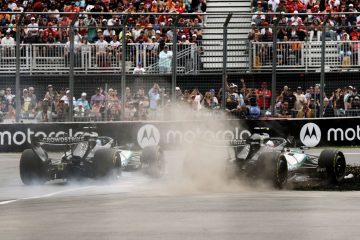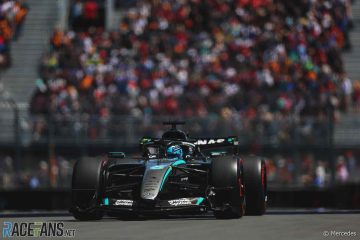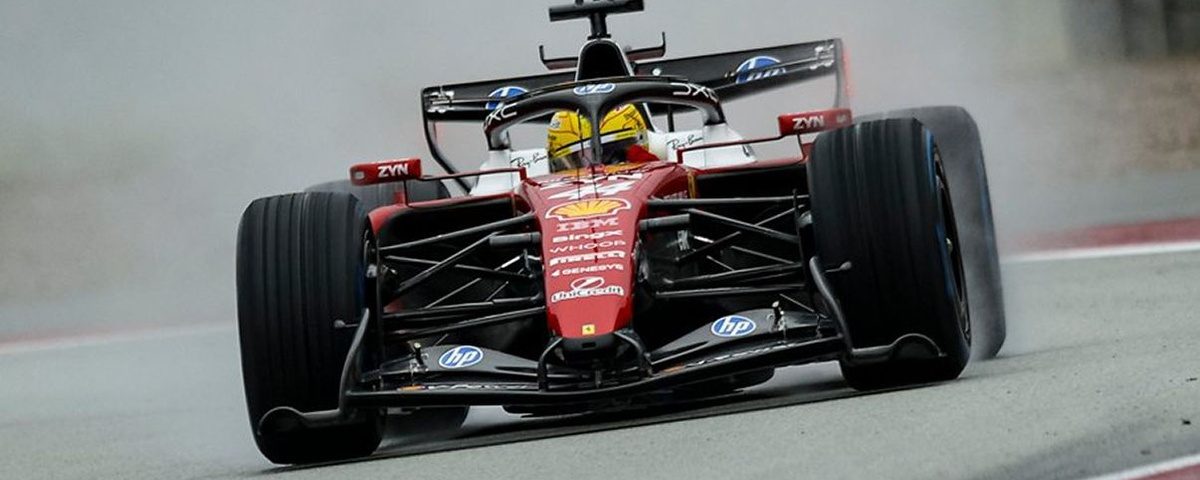
- The Canadian Grand Prix is set for a potentially dramatic wet race.
- Pirelli is optimistic that rain could enhance tire performance and racing dynamics.
- Historical precedents indicate that wet races often lead to unpredictable outcomes.
- Drivers' skills will be tested as they adapt to challenging conditions.
- This event could significantly influence the current championship standings.
As the Formula 1 circus prepares for the Canadian Grand Prix at Circuit Gilles Villeneuve, anticipation is building not just for the high-speed racing but also for potential adverse weather conditions. Scheduled for June 2026, the race is expected to take place under wet conditions, which could dramatically alter the race dynamics and challenge the drivers’ abilities. With tire supplier Pirelli advocating for rain, the stage is set for what could be a memorable weekend in Montreal, reminiscent of some of the sport’s most thrilling wet races.
Formula 1: What You Need to Know
Historically, wet races in Formula 1 have produced some of the most unpredictable and exhilarating moments in the sport. The Canadian GP is no stranger to rain, having witnessed several dramatic races that have changed the course of championships. The potential for rain adds an unpredictable element that can turn the usual hierarchy of driver performance on its head, opening the door for surprises and upsets.
Wet conditions can greatly influence the tire choices and strategies employed by teams. Pirelli has long advocated for the benefits of rain in races, as the unique conditions allow drivers to utilize intermediates or full wets, and the ambient and track temperatures in places like Montreal can aid in getting these tires into their optimal operating range. This could be pivotal in how teams approach their strategies during qualifying and the race itself.
When we look back at similar events, the rain during the 2011 Canadian Grand Prix serves as an apt comparison. That race was marred by rain delays, but when it finally took place, it turned out to be a thrilling contest, with Jenson Button emerging victorious after a series of dramatic pit stops and strategic decisions. The wet conditions led to numerous incidents and on-track battles that kept fans on the edge of their seats.
Analysis & Key Takeaways
Another memorable example is the 2008 British Grand Prix at Silverstone, where Lewis Hamilton showcased his exceptional skills in the rain, ultimately claiming victory in a race that saw many frontrunners struggle with the challenging conditions. This history of wet races has shown that a driver’s ability to adapt and a team’s strategy can significantly influence the race result and championship standings.
As fans gear up for the Canadian GP, the question looms: who will rise to the occasion amidst the rain? While drivers like Lewis Hamilton and Max Verstappen have proven to excel in tricky conditions, the unpredictable nature of wet racing means that lesser-known drivers could also seize the opportunity to shine. The stakes are high, and with the championship race intensifying, every point earned in this wet Canadian Grand Prix could prove invaluable.
The strategy employed by teams during qualifying will also be crucial. In wet conditions, a driver’s skill in finding grip and managing tire degradation becomes paramount. Teams will need to adapt quickly to changing weather conditions, making real-time decisions that could dramatically affect their starting positions and race strategies. The ability to read the track and make quick adjustments could be the difference between a podium finish and a failed campaign.
Moreover, the Canadian GP will be instrumental in shaping the championship narrative as the season progresses. Drivers will be acutely aware that every point counts, especially as they navigate through a season filled with competitive rivals. A successful race in challenging conditions could provide a significant boost to a driver’s championship aspirations, while a poor outcome could leave them at a disadvantage moving forward.
In conclusion, the upcoming Canadian GP under wet conditions is poised to be a spectacular event in the Formula 1 calendar. It holds the promise of intense competition, strategic battles, and potential upsets that could redefine the championship race. With the historical context of previous wet races serving as a backdrop, fans can expect a thrilling spectacle that showcases the essence of Formula 1 racing.
As we look forward to the potential drama of a wet Canadian Grand Prix, we can't help but reflect on the unpredictability that such conditions bring to Formula 1. Wet races often serve as a litmus test for drivers, revealing their true mettle. It is in these moments when the seasoned veterans shine, but don’t count out the younger talents eager to make their mark.<br />
Our view is that this race could very well be a turning point in the championship battle. With the season already well underway, every race result holds significant weight. If a dark horse emerges from this rain-soaked race to claim victory, it could shake up the standings and alter the dynamics of the championship chase. Expect to see teams strategizing meticulously and drivers pushing their limits as they navigate the rain, searching for glory in what could be a perfect storm of racing action.
Source: Why wet Canadian GP will be "the perfect storm" for F1
Sports News Plus is a news aggregator. We do not own or claim rights to any images, videos, or source content featured on this site. All images and media are the property of their respective original owners and publishers. Article content is independently written based on publicly available news sources, which are credited and linked throughout. Full disclosure →