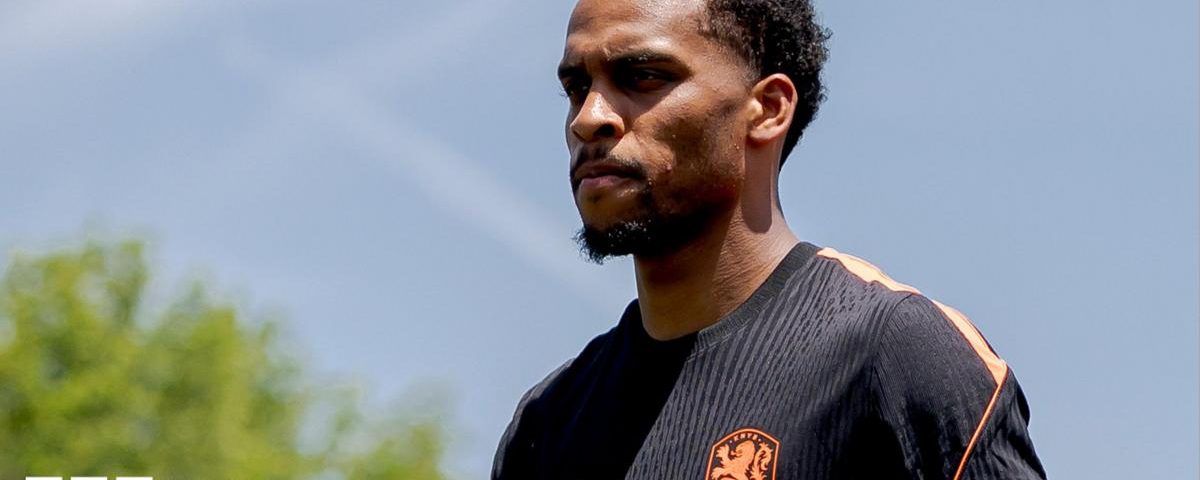
- Jurrien Timber has been ruled out of the Netherlands' World Cup due to a groin injury.
- His absence is a significant blow to the team's defensive strategy and depth.
- The Netherlands must adjust their formation and tactics to compensate for Timber's loss.
- This injury could influence the match results in key fixtures for the Dutch side.
- Future performances may hinge on how well the Netherlands adapts to this tactical gap.
Timber injury In a significant blow to the Netherlands’ hopes in the World Cup, Arsenal defender Jurrien Timber has been ruled out of the tournament due to a groin injury sustained shortly before the team’s departure. The injury was announced on June 8, 2026, leaving the Dutch national team scrambling for solutions as they prepare for a challenging World Cup campaign. With Timber’s absence, the tactical landscape for the Netherlands is set to shift, demanding a strategic reevaluation ahead of their initial matches.
Timber injury: What You Need to Know
Timber, who has been a cornerstone of the Dutch defense, was expected to play a crucial role in fortifying a backline that has seen its share of challenges in recent tournaments. As a versatile defender, his ability to adapt to various positions and formations made him an invaluable asset. Now, with his exclusion, there are pressing questions regarding how the Netherlands will fill the void and maintain their competitive edge.
The immediate concern lies in the central defense, where Timber often played alongside Virgil van Dijk. Together, they formed a formidable partnership characterized by solid positioning, intelligent interceptions, and the ability to initiate attacks from the back. Without Timber, the team may struggle to replicate this synergy, potentially exposing vulnerabilities that opposing teams could exploit. The tactical gap left by Timber’s injury could shift the dynamics of the team’s defensive strategy, forcing the coaching staff to make critical adjustments.
Even as the Netherlands prepares for its matches, the focus will inevitably shift to the available replacements. The likes of Matthijs de Ligt or Nathan Aké could step into the central defensive role, but they are not Timber. Each player brings their own style and strengths, which may alter the overall defensive structure. For instance, if De Ligt assumes Timber’s responsibilities, he might lean more on physicality and aerial prowess, which could shift the balance of the defense away from Timber’s more nuanced game.
Analysis & Key Takeaways
The Netherlands also needs to consider how their formation might change in Timber’s absence. Traditionally, the Netherlands has favored a 4-3-3 formation, which allows for an attacking style of play, supported by solid defensive foundations. However, with a key player missing, the coaching staff might opt for a more conservative 4-2-3-1 or even a 5-3-2 setup to provide additional cover in defense. This would herald a more cautious approach, potentially affecting their match results against teams that capitalize on defensive weaknesses.
Moreover, the absence of Timber could impact the team’s transition game. Known for his ability to carry the ball forward and contribute to building up play, Timber’s void may see the Netherlands adopting a more direct style, relying heavily on quick counter-attacks rather than building from the back. This tactical shift could influence the type of goals they are able to score, as well as how they control possession during games.
As the tournament progresses, how well the Netherlands can adapt to Timber’s injury will be crucial to their campaign. Teams that fail to adjust tactically often find themselves falling short in high-stakes matches, and with the World Cup on the line, every decision made by the coaching staff could carry significant consequences. The upcoming fixtures will undoubtedly reveal the extent to which Timber’s injury has affected the squad.
Moving forward, the Netherlands must not only find a way to cope with Timber’s absence but also leverage it to their advantage. This could involve integrating younger players who bring fresh energy and perspectives to the squad. Such changes might foster new tactical innovations, allowing the team to evolve beyond their previous strategies and potentially come back stronger.
The ripple effects of Timber’s injury will be felt throughout the tournament, and while it poses a considerable challenge, it also presents an opportunity for the Netherlands to demonstrate their depth and resilience. As they prepare for their opening match, fans and analysts alike will closely watch how this tactical gap is addressed and what it means for their aspirations in the tournament.
In our view, Jurrien Timber's injury not only creates a tactical void for the Netherlands but also puts additional pressure on the coaching staff to innovate. The World Cup is unforgiving, and teams that cannot adapt quickly often find themselves outpaced by their opponents. While the defensive adjustments are crucial, equally important will be how the midfield and attack support these changes.<br />
We believe that this situation may also prompt a reevaluation of the Netherlands' overall strategy in international tournaments. If the squad can effectively manage this injury and find a way to play cohesively, it may set a precedent for future adaptability in the face of adversity. On the other hand, if they struggle to fill Timber's shoes, their chances of progressing deep into the tournament could be jeopardized.
Source: Netherlands' Timber out of World Cup with injury
Sports News Plus is a news aggregator. We do not own or claim rights to any images, videos, or source content featured on this site. All images and media are the property of their respective original owners and publishers. Article content is independently written based on publicly available news sources, which are credited and linked throughout. Full disclosure →